
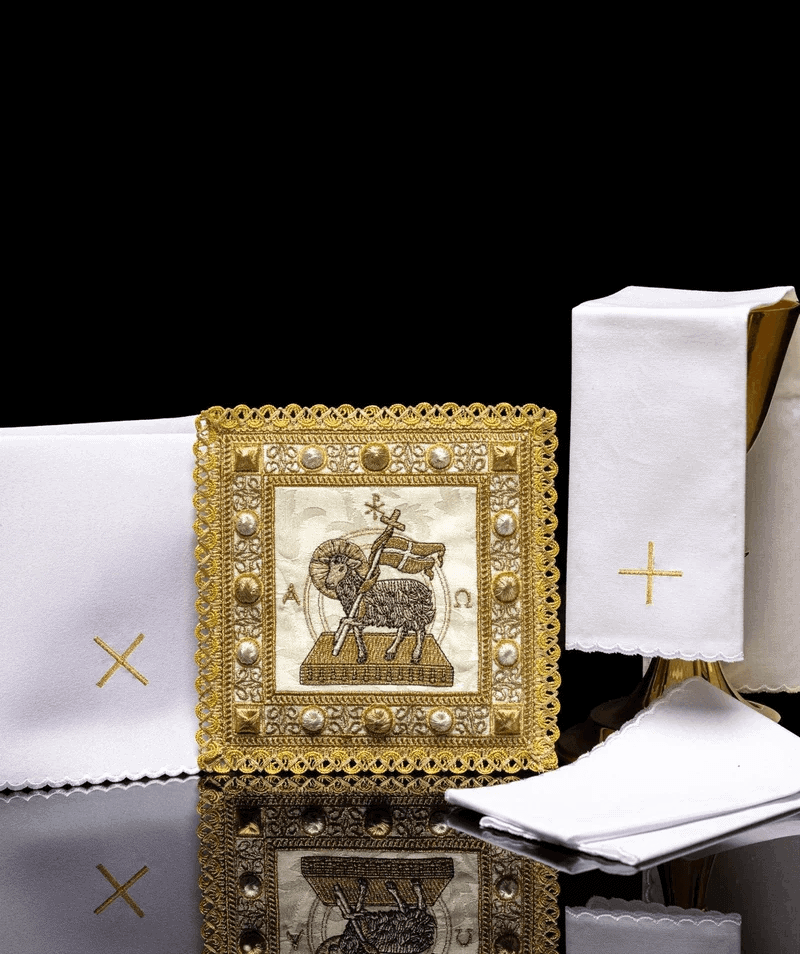
The Easter season is a cornerstone of the Christian liturgical year, a time of profound joy, renewal, and celebration of Christ’s resurrection. Every element of the liturgy is carefully considered to enhance the sacredness of this period. While the focus is often on vestments and altar adornments, often overlooked are the smaller, yet significant details, such as the lectern cover. A well-chosen Easter lectern cover can significantly contribute to the solemnity and beauty of liturgical services during this joyous time.
Understanding the Role of the Lectern in Liturgy
The lectern, often referred to as the ambo, is the elevated stand from which the Word of God is proclaimed. It is a sacred space from which Scripture readings, prayers, and homilies are delivered, connecting the congregation directly to the divine message. Given its pivotal role in the liturgy of the Word, the lectern’s appearance is not merely decorative; it is symbolic. It signifies the importance of the spoken Word and the presence of Christ within His teachings.
Why a Specific Easter Lectern Cover?
The liturgical calendar dictates specific colors and symbols for different seasons to reflect the theological emphasis of each period. Eastertide, following the penitential season of Lent and culminating in the resurrection, is a time of vibrant celebration. Therefore, the adornments used during this period should reflect this spirit of joy, hope, and victory over death.
Using a dedicated Easter lectern cover serves several purposes:
- Visual Cue: It immediately signals to the congregation that they are in a special liturgical season, enhancing their spiritual engagement.
- Symbolism: The colors and motifs chosen for Easter can visually represent key aspects of the resurrection narrative, such as new life, light, and triumph.
- Unity and Cohesion: A coordinated liturgical environment, where the lectern cover complements other vestments and altar cloths, creates a harmonious and aesthetically pleasing worship space.
- Reverence: A well-maintained and appropriate cover demonstrates respect for the sacred space and the Word being proclaimed.
Choosing the Right Easter Lectern Cover: Colors and Symbols
The primary liturgical color for Easter is **white** or **gold**, symbolizing purity, joy, light, and the glory of the resurrected Christ. While other colors might be used for specific feasts within the Easter season (like red for Pentecost), white and gold remain the most common and fitting choices for the broader Eastertide.
When selecting an Easter lectern cover, consider these symbolic elements that are particularly relevant:
- The Resurrection Cross: A cross, especially one depicted as empty or radiant, is a powerful symbol of Christ’s victory. Some designs might feature a cross emerging from a tomb or adorned with lilies.
- Lilies: These beautiful white flowers are strongly associated with Easter, representing purity, new life, and the resurrection.
- Light/Rays: Symbols of light, such as sunbursts or radiant patterns, can signify Christ as the Light of the World and the triumph over darkness.
- The Lamb (Agnus Dei): While often associated with sacrifice, the Lamb also represents Christ the Victorious Lamb, especially in the context of Easter.
- Alpha and Omega: These Greek letters signify Christ as the beginning and the end, reinforcing His eternal nature and the completion of His salvific work.
- Dove: Symbolizing the Holy Spirit, whose power was instrumental in the resurrection and continues to animate the Church.
- Challenging the Darkness: Some contemporary designs might subtly incorporate themes of breaking free from darkness or chains, symbolizing liberation from sin and death.
Material and Craftsmanship: Enhancing Solemnity
The material and craftsmanship of a lectern cover play a crucial role in conveying solemnity and quality. High-quality fabrics such as damask, brocade, silk, or fine linen provide a rich and elegant backdrop for intricate embroidery or embellishments.
Embroidery is a key element in enhancing the visual appeal and symbolic depth of an Easter lectern cover. Look for:
- Intricate Embroidery: Detailed stitching, often in gold or silver thread, can bring symbols to life and add a luxurious feel.
- Appliqué: Sections of fabric carefully sewn onto the main cloth can create depth and highlight specific symbols.
- Beading and Jewel Embellishments: Subtle use of beads or small stones can add a touch of sparkle, reminiscent of divine light, especially when catching the sanctuary lamps.
- Durable Construction: The cover should be well-constructed to withstand regular use and cleaning, ensuring it remains a beautiful part of the sanctuary for many Easters to come.
Practical Considerations for Your Easter Lectern Cover
Beyond aesthetics and symbolism, practical aspects are important:
- Size: Ensure the cover is appropriately sized for your lectern. It should drape elegantly without being too short or excessively long, which could be a tripping hazard.
- Ease of Care: Consider how easy the fabric is to clean and maintain, especially in a liturgical setting where spills can occur.
- Secure Fit: Some covers come with ties or fasteners to keep them securely in place, preventing them from shifting during services.
Integrating the Lectern Cover into the Liturgical Environment
For maximum impact, the Easter lectern cover should harmonize with the other liturgical elements in the sanctuary:
- Altar Cloths: If possible, choose a lectern cover that complements the colors and designs of your altar cloths and antependiums.
- Vestments: Consider how the cover’s colors and motifs relate to the chasubles, stoles, and other vestments used during the Easter season.
- Sanctuary Decor: Coordinate with other Easter decorations, such as floral arrangements (lilies are a perfect choice) or Paschal candle stands.
Conclusion: Elevating the Liturgical Experience
The Easter lectern cover is more than just a piece of fabric; it is a tool that helps to create a sacred and engaging environment for worship during one of the most important seasons of the Church year. By carefully selecting a cover that reflects the joyous message of the Resurrection through its color, symbolism, and quality of craftsmanship, parishes can significantly enhance the solemnity and beauty of their Easter liturgies. It’s a detail that speaks volumes, inviting the faithful to a deeper encounter with the Risen Christ.
Leave a Reply